

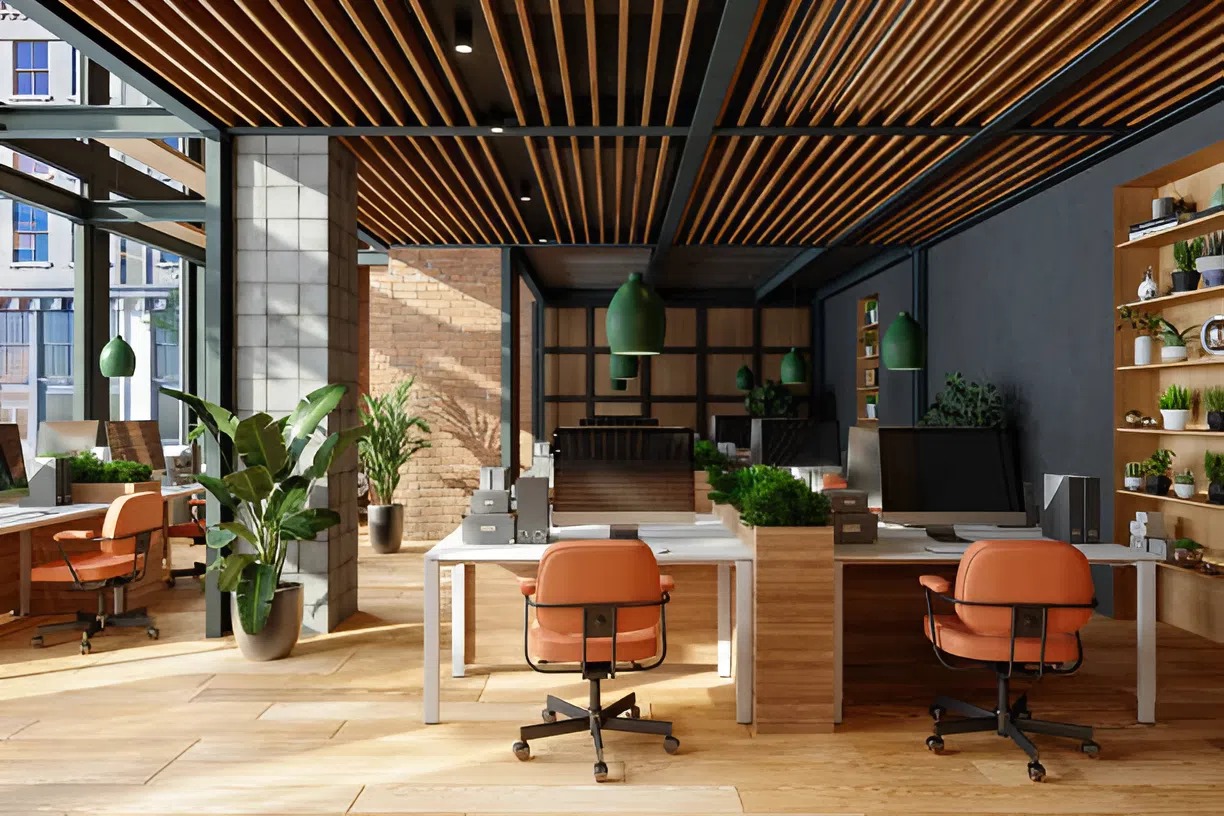
For many businesses, the start of the year is associated with budgets, planning cycles, and operational resets. What is often overlooked during this period is how interior environments absorb the wear of the previous year. Commercial painting is frequently treated as a visual upgrade, something to consider only when spaces start to look tired. In reality, painting in Q1 functions as a maintenance strategy that protects assets, supports operations, and reduces long-term costs.
When viewed through a maintenance lens, painting becomes part of responsible facility management rather than a discretionary expense.
Why Q1 Is a Strategic Window for Commercial Painting
The first quarter offers a unique opportunity to address interior conditions before operational pressures intensify. Painting scheduled early in the year aligns well with maintenance planning and budget approvals. Facilities teams often have more flexibility in Q1, making it easier to coordinate painting without disrupting daily operations.
From a surface-protection standpoint, painting applied early helps seal walls, ceilings, and trim before minor damage becomes structural deterioration. Repainting after a full year of use also prevents accumulated wear from embedding deeper into substrates, which can drive up future repair costs.
Interior Wear Is a Maintenance Issue, Not an Aesthetic One
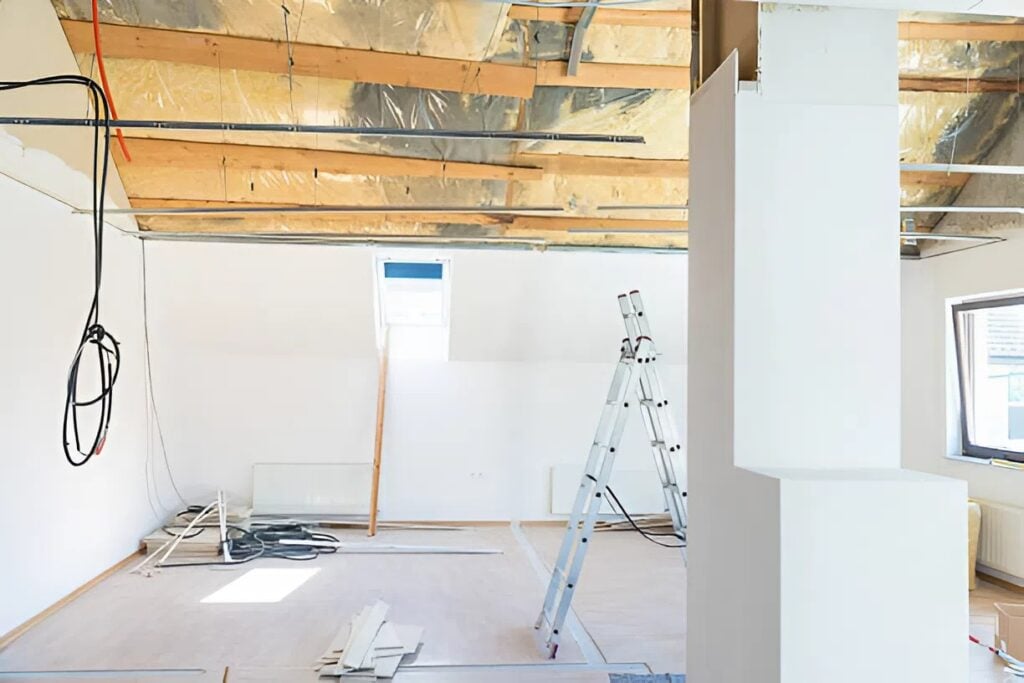
Interior damage rarely announces itself dramatically. Scuffed corridors, worn corner guards, fading coatings, and stained walls are gradual issues that signal material fatigue, having an adverse effect on employee performance, too. Painting addresses these issues at the surface level, preventing moisture intrusion, abrasion damage, and coating failure.
In high-traffic facilities, commercial painting serves as a protective layer that extends the life of drywall, masonry, and metal surfaces. Treating painting as maintenance helps preserve building materials that would otherwise require more invasive repairs later in the year.
High-Traffic Zones Benefit Most from Early Commercial Painting
Entrances, corridors, shared amenities, and service areas take the greatest abuse over time. Painting in these zones reinforces surfaces before traffic peaks again. Painting early reduces the likelihood of mid-year touch-ups that interrupt tenants or staff.
Facilities that delay commercial painting often find themselves reacting to visible damage rather than managing it proactively.
How Commercial Painting Supports Operational Efficiency
Well-timed painting improves more than surface appearance. Clean, well-maintained interiors support employee focus, tenant satisfaction, and visitor perception. A painting project that is planned rather than reactive can be staged to minimize downtime, noise, and access restrictions.
From an operational perspective, painting scheduled in Q1 allows for better coordination with other maintenance activities. Ceiling repairs, lighting upgrades, or flooring projects can be aligned with painting to avoid redundant closures or repeated disruptions.
Commercial Painting and Budget Predictability
Unexpected repairs strain operating budgets. Commercial painting performed as part of early-year maintenance creates predictability in spending. Instead of emergency repainting or patchwork fixes, painting becomes a controlled line item with measurable outcomes.
Organizations that treat painting projects as maintenance rather than decoration tend to experience fewer surprise costs related to wall repairs, water damage, or premature coating failure.
Long-Term Value of Treating Commercial Painting as Maintenance
When painting is framed as maintenance, decision-making shifts. The focus moves from color changes to surface performance, longevity, and protection. This mindset encourages better prep work, higher-quality materials, and schedules that prioritize durability.
Over time, facilities that integrate painting into maintenance planning experience fewer failures, longer repaint cycles, and better overall building condition. Commercial painting applied strategically reduces lifecycle costs and extends the usable life of interior spaces.
Choose The Oregon Painting Company: Your Trusted Commercial Painter in Grants Pass, OR
If interior wear, surface damage, or high-traffic use is beginning to affect your space, The Oregon Painting Company can help. Our experts help teams to protect interior surfaces before deterioration accelerates, align repainting with broader maintenance schedules, and avoid disruptive mid-year fixes
Schedule a consultation to review your interior conditions, maintenance timelines, and learn how a well-planned commercial painting project can support your operations throughout the year.